Inicio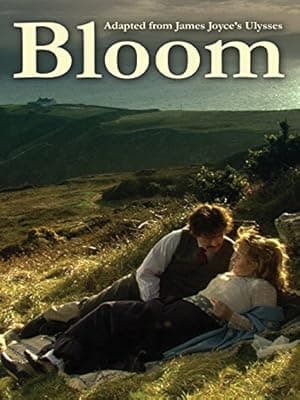
Ulises→Bloom
James Joyce·2003·Director: Sean Walsh
71%
Fidelidad
3.5
Puntuación del libro
2.8
Puntuación de la película
Plataforma: Netflix
Cast information unavailable
El libro
Ulises de James Joyce. El clásico Ulises narra las citas y encuentros peripatéticos de Leopold Bloom en Dublín durante el transcurso de un día ordinario, el 16 de junio de 1904. Ulises es el nombre latinizado de Odiseo, el héroe del poema épico de Homero, la Odisea, y la novela establece una serie de paralelismos entre el poema y la novela, con correspondencias estructurales entre los personajes y experiencias de Leopold Bloom y Odiseo, Molly Bloom y Penélope, y Stephen Dedalus y Telémaco, además de eventos y temas del contexto modernista de principios del siglo XX, Dublín y la relación de Irlanda con Gran Bretaña. La novela imita registros de siglos de literatura inglesa y es altamente alusiva.
La película
Fathers and sons and lovers. June, 1904. Leopold Bloom, Dublin Jew and cuckold, attends a funeral, recalls his infant son dead 11 years, faces an anti-Semite at a pub, has a phantasmagoric dream while at a brothel, feeds a drunken young poet Stephen Dedalus, bonds briefly with Stephen as if father and son, and gets into bed next to his wife Molly. Stephen spends his day teaching, talking about literature with pals, pondering Shakespeare and "Hamlet" and fatherhood, brooding on his dead mother, drinking too much, and accepting Bloom's hand. Molly, lusty Molly, recalls vividly her courtship and affirmation of Bloom. Homer's "Odyssey" provides the story's structure.
Diferencias clave
El desarrollo de los personajes difiere entre el libro y la película. Algunas subtramas fueron condensadas para la adaptación cinematográfica. La interpretación visual aporta una nueva perspectiva a la historia.
Nuestro veredicto
¡Disfruta de ambos!Ambas versiones ofrecen perspectivas únicas que se complementan maravillosamente.
Reseñas
No se encontraron resultados