Accueil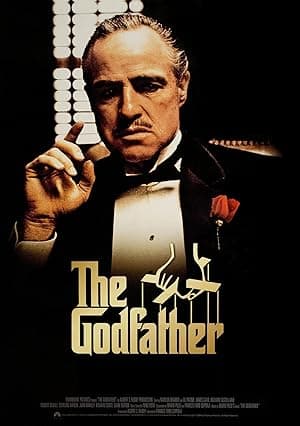
Le Parrain→Le Parrain
Mario Puzo·1972·Réalisateur: Francis Ford Coppola
75%
Fidélité
3.7
Note du livre
4.6
Note du film
Plateforme: Netflix
Cast information unavailable
Le livre
Le Parrain de Francis Ford Coppola (1972) a marqué une transition dans le cinéma américain, et son succès — en tant qu'œuvre d'art, en tant que propriété créative exploitée par son studio, Paramount Pictures ; et en tant que modèle pour les cinéastes auteurs en herbe — a changé Hollywood à jamais. L'étude de Jon Lewis sur Le Parrain commence par un examen approfondi du style visuel audacieux du film (les longues scènes théâtrales...
Le film
Le Parrain « Don » Vito Corleone est le chef de la famille mafieuse Corleone à New York. Il assiste au mariage de sa fille. Michael, le plus jeune fils de Vito et un Marine décoré de la Seconde Guerre mondiale, est également présent. Michael semble peu intéressé par les affaires familiales. Vito est un homme puissant, bienveillant envers ceux qui lui témoignent du respect, mais impitoyable envers ceux qui...
Différences clés
Le développement des personnages diffère entre le livre et le film. Certains sous-intrigues ont été condensées pour l'adaptation à l'écran. L'interprétation visuelle apporte une nouvelle perspective à l'histoire.
Notre verdict
Lisez le livre d'abordLe livre fournit un contexte essentiel et une profondeur qui enrichissent l'expérience visuelle.
Avis
Aucun résultat trouvé