Home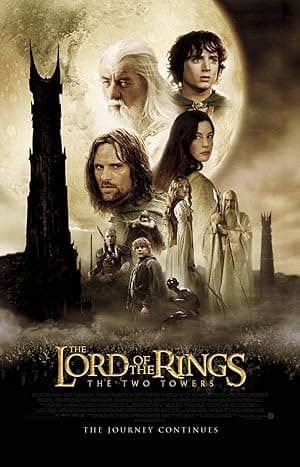
The Two Towers→The Lord of the Rings: The Two Towers
J.R.R. Tolkien·2002·Director: Peter Jackson
80%
Faithfulness
4.5
Book Rating
4.4
Movie Rating
Platform: DVD
Elijah Wood, Ian McKellen, Viggo Mortensen
The Book
The Two Towers, first published in 1954, is the second volume of J. R. R. Tolkien's high fantasy novel The Lord of the Rings. It is preceded by The Fellowship of the Ring and followed by The Return of the King. The volume's title is ambiguous, as five towers are named in the narrative, and Tolkien himself gave conflicting identifications of the two towers. The narrative is interlaced, allowing Tolkien to build in suspense and surprise. The volume was largely welcomed by critics, who found it exciting and compelling, combining epic narrative with heroic romance. It formed the basis for the 2002 film The Lord of the Rings: The Two Towers, directed by Peter Jackson.
The Film
While Frodo and Sam edge closer to Mordor with the help of the shifty Gollum, the divided fellowship makes a stand against Sauron's new ally, Saruman, and his hordes of Isengard.
Key Differences
The film compresses and reorders some events for pacing, such as the early introduction of the Ents' attack on Isengard. The character of Faramir is portrayed more tempted by the Ring than in the book. The film omits the character of Tom Bombadil entirely.
Our Verdict
Enjoy both!The film balances a faithful adaptation with cinematic storytelling, making it enjoyable both for fans of the book and new viewers. Some changes improve pacing and drama without losing the essence of the story.
Reviews
No results found