Home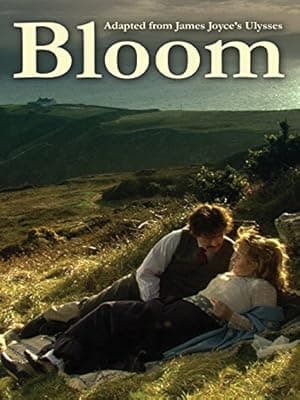
Ulysses→Bloom
James Joyce·2003·Director: Sean Walsh
71%
Faithfulness
3.5
Book Rating
2.8
Movie Rating
Platform: Netflix
Cast information unavailable
The Book
Ulysses by James Joyce The Classsic Ulysses chronicles the peripatetic appointments and encounters of Leopold Bloom in Dublin in the course of an ordinary day, 16 June 1904. Ulysses is the Latinised name of Odysseus, the hero of Homer's epic poem Odyssey, and the novel establishes a series of parallels between the poem and the novel, with structural correspondences between the characters and experiences of Leopold Bloom and Odysseus, Molly Bloom and Penelope, and Stephen Dedalus and Telemachus, in addition to events and themes of the early twentieth century context of modernism, Dublin, and Ireland's relationship to Britain. The novel imitates registers of centuries of English literature and is highly allusive.
The Film
Fathers and sons and lovers. June, 1904. Leopold Bloom, Dublin Jew and cuckold, attends a funeral, recalls his infant son dead 11 years, faces an anti-Semite at a pub, has a phantasmagoric dream while at a brothel, feeds a drunken young poet Stephen Dedalus, bonds briefly with Stephen as if father and son, and gets into bed next to his wife Molly. Stephen spends his day teaching, talking about literature with pals, pondering Shakespeare and "Hamlet" and fatherhood, brooding on his dead mother, drinking too much, and accepting Bloom's hand. Molly, lusty Molly, recalls vividly her courtship and affirmation of Bloom. Homer's "Odyssey" provides the story's structure.
Key Differences
Character development differs between book and film. Some subplots were condensed for screen adaptation. Visual interpretation brings new perspective to the story.
Our Verdict
Enjoy both!Both versions offer unique perspectives that complement each other beautifully.
Reviews
No results found